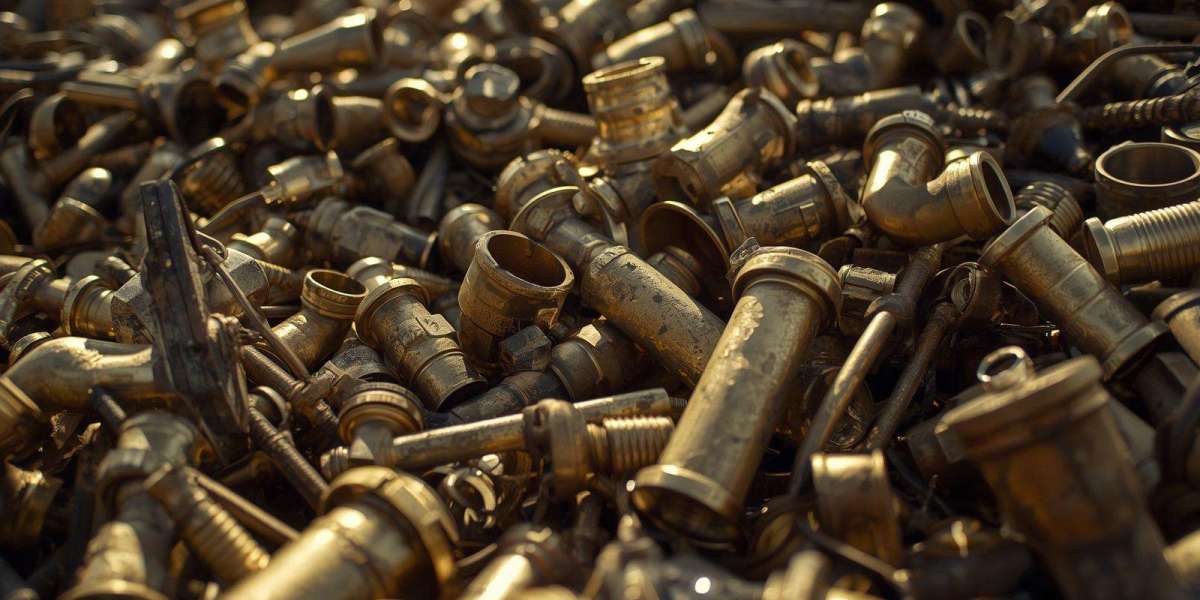
When you think about recycling, everyday items like plastic bottles and paper usually come to mind. But there’s another material that quietly plays a huge role in building a sustainable future—brass scrap metal. From old taps and plumbing fittings to musical instruments and decorative items, brass has a long life, and recycling helps extend it even further.
In this article, we’ll walk through the journey of brass scrap metal—how it’s collected, carefully processed, and given new life in modern industries.
Collecting Brass Scrap Metal
The first step is collection, and it’s often more fascinating than people realise. Brass isn’t just lying around in heaps—it’s hidden in homes, workplaces, and even construction sites. Old door handles, plumbing fixtures, electrical components, and antique décor are some of the most common sources.
Scrap yards and recycling centres often work closely with plumbers, builders, and even households who bring in their unwanted brass items. For many people, selling brass scrap metal isn’t just about making a little extra cash—it’s also about contributing to a cleaner environment. By collecting and recycling, we reduce the need for new mining, which is both costly and harmful to natural ecosystems.
Processing Brass Scrap
Once collected, the real work begins. Brass scrap metal is sorted carefully, as it often comes mixed with other metals or materials. Skilled recyclers separate it using magnets, sensors, and sometimes even by hand to ensure purity.
After sorting, the brass is cleaned to remove any dirt, coatings, or non-metal materials. Then comes the melting stage. In high-temperature furnaces, brass scrap is melted down and transformed into a liquid form. This molten brass is then poured into molds or cast into sheets, rods, or ingots, depending on what industries need.
What’s remarkable is that brass can be recycled endlessly without losing its quality. Unlike some materials that weaken after multiple recycling cycles, brass maintains its strength, durability, and appearance.
Reusing Brass in Everyday Life
Here’s where the magic happens. The recycled brass doesn’t just sit in warehouses—it comes back to life in new forms. Industries use it to make plumbing parts, architectural fittings, musical instruments, and even jewellery. In fact, the brass tap in your kitchen or the trumpet played at a local concert could very well have started as recycled brass scrap metal.
This reuse cycle highlights how recycling is not just about waste management; it’s about creating sustainable supply chains. By reusing brass, we conserve natural resources, reduce greenhouse gas emissions, and cut down the amount of waste ending up in landfills.
Why It Matters
The journey of brass scrap metal—from collection to reuse—shows us that even the smallest actions can create big change. Every time someone takes brass items to a recycling centre instead of throwing them away, they’re contributing to a greener, more resource-efficient world.