
Transportation is changing at a pace we have not seen before. Urban areas and the businesses that operate within them need to rethink how people and goods move around their geographies due to rapid urbanization, technological change, and increased environmental pressure.
Mobility through urban contexts is no longer simply about streets, cars, or buses. Instead, it is about systems that can respond to the need for mobility. And they need to be urban, sustainable, and efficient.
This is where mobility consulting comes in. A consultant or planner utilizes expertise in strategy, technology, and design to help organizations navigate complex problems. They create transportation systems that serve everyone.
What Is Mobility Consulting?
At its core, mobility consulting is focused on solving problems and advancing change associated with how we move. It can include research into transportation networks, evaluations of user needs, and investigations into differences between what a user needs today versus what they may need (or want) in the future.
- A mobility consultant may work on projects related to:
- Creating space plans to mitigate congestion in growing cities
- Leading strategic transition plans for companies moving to electric fleets
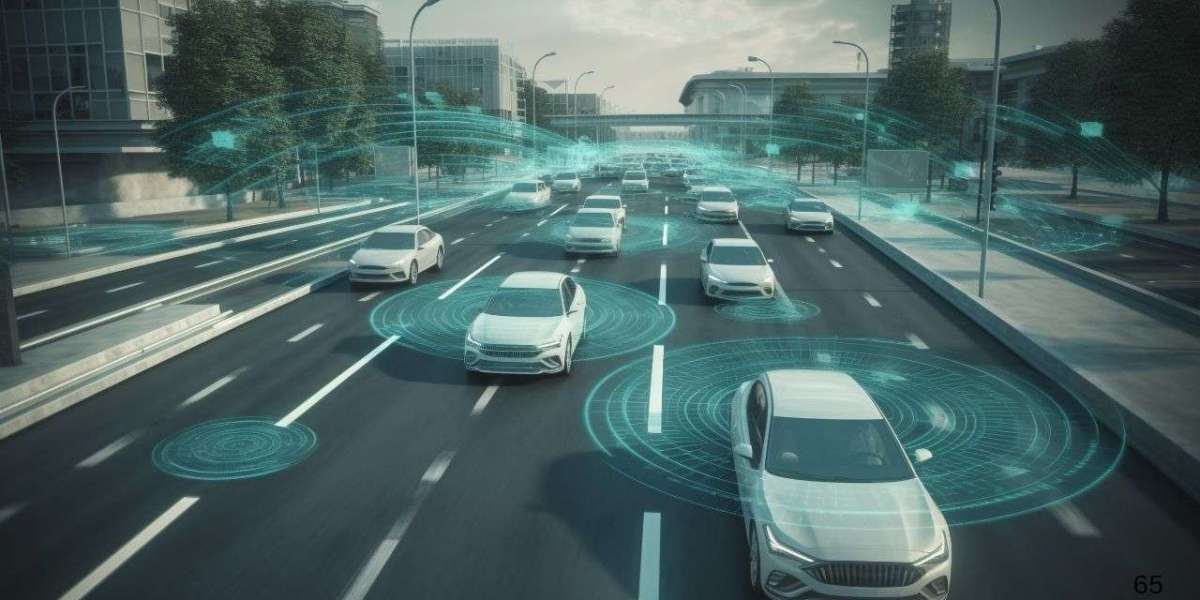
- Integrating smart technologies, such as real-time data to track public services
- Providing recommendations on policy/regulatory frameworks for new mobility solutions.
Mobility consulting always considers how ideas will stay relevant over time, and in contrast, traditional planning primarily considers only the present and occasionally the past when making decisions. The goal of mobility consulting is to seek mobility solutions today, and more importantly, to think about how these solutions will be relevant in the future.
Why Businesses and Cities Need Mobility Consulting
1. Solution to Traffic Congestion
Traffic congestion is not just a nuisance; it decreases efficiency and productivity. In addition, it leads to wasted fuel and emissions. Furthermore, it adds to air pollution.
Mobility consultants generate creative solutions, including developing more efficient public transportation systems, multimodal capabilities, and cutting-edge data-driven traffic management systems. Just one example is using real-time data for rerouting people and vehicles during peak times, thereby reducing congestion.
2. Support Your Overall Sustainability Efforts
Cities and businesses around the world are focused on sustainability initiatives. Consulting can assist clients in everything from transitioning to electric vehicles and renewable energy to reducing carbon emissions.
The end result is better air quality, reduced operational costs, and the ability to measure and account for their sustainability and wellness initiatives.
3. Determine Cost Effectiveness
Utilizing dated transportation systems eats into budgets. Utilizing consultants helps organizations eliminate the expense of dated systems. They gain efficiencies in operations, apply new smart engineering solutions, and automate operations when appropriate to instill more reliability and efficiencies.
4. Creating Accessibility and Inclusivity
Modern mobility is not only about modernity, speed, and efficiency. It is also about inclusivity. Consultants ensure inclusive design for all users, including those with accessibility issues, senior citizens, and underserved communities.
How Mobility Consultants Make a Difference
Development of Smart Transportation Systems
Mobility consultants prioritize advancing systems that connect several modes of transportation. They provide an end-to-end seamless transportation system which incorporates buses, rail, bike, and walking into the travel experience. The full transportation network is usable and navigable.
Utilizing Data for Decision Making
Consultants interpret data Analytics to not only understand travel behavior but also to predict demand. This helps organizations to make data-driven decisions. They can focus on where to invest, where the optimal route is, or what technologies should be used.
The Intersection of Policy and Innovation
Policy seldom catches up with the innovations that occur in technology. Transportation consultants create value at the intersection of policy and technology. They ensure that innovations like autonomous vehicles or Mobility-as-a-Service (MaaS) meet the policies and standards for safe, reliable travel experiences.
Integration with intelligent engineering solutions
Consulting services realize more benefits when paired with smart engineering solutions. By coupling strategy, services design, and engineering will allow consultants to create systems that are scalable, efficient, and set up for future success.
Real-World Applications of Mobility Consulting
To understand its importance, here are practical applications where consulting plays a clear role:
- Corporate Fleets: Companies transitioning fleets to electric need tangible solutions for charging infrastructure, energy management, and route optimization. Consultants provide both roadmaps and delivery plans.
- Public Transport Modernization: Cities modernizing bus or rail networks need to implement digital ticketing, passenger flow systems, and sustainability principles.
- Urban Planning Projects: This may involve cycling lanes or low-emission zones. Consultants plan for connectivity, movement, and future developments.
- Technology Adoption: Organizations uncertain about adopting AI-based logistics or IoT in transport can use consultants. They assess costs versus benefits, conduct feasibility studies, and create plans for scaled deployment.
The Future of Mobility Consulting
In the next few years, the mobility landscape will shift even more. New trends, such as autonomous vehicles, electric air taxis, and smart city ecosystems, are going to alter how people and goods move. Consultants will be central to that transition. They will guide decision-makers through uncharted waters.
One key area of growth is Mobility-as-a-Service (MaaS). Instead of cars being the primary means of mobility, the future will be more integrated. Public transport, ride-sharing, and biking will combine into seamless services. Consultants will design these platforms and align them with local ecosystems.
Final Thoughts
Mobility consulting is no longer simply about today’s demands. It is about rethinking the future of transportation. Through expertise in planning, technology, policy, and engineering, mobility consultants help cities and businesses create transportation systems that are smarter, greener, and more inclusive.
Companies like Inblenda show how engineering and consulting can co-exist to create real-world outcomes. By aligning efficiency, innovation, and sustainability, mobility consulting becomes a vehicle of progress. It establishes transportation systems that serve communities for years to come.