
In the sterile corridors of Birmingham Women's and Children's NHS Foundation Trust, a young man named James Stokes carries himself with the measured poise of someone who has found his place. His oxford shoes whisper against the floor as he exchanges pleasantries with colleagues—some by name, others with the universal currency of a "good morning."

James carries his identification not merely as institutional identification but as a symbol of acceptance. It sits against a neatly presented outfit that gives no indication of the tumultuous journey that brought him here.
What distinguishes James from many of his colleagues is not immediately apparent. His bearing gives away nothing of the fact that he was among the first beneficiaries of the NHS Universal Family Programme—an initiative designed specifically for young people who have spent time in care.
"It felt like the NHS was putting its arm around me," James explains, his voice steady but revealing subtle passion. His remark encapsulates the essence of a programme that aims to transform how the vast healthcare system perceives care leavers—those frequently marginalized young people aged 16-25 who have graduated out of the care system.
The numbers paint a stark picture. Care leavers frequently encounter higher rates of mental health issues, money troubles, housing precarity, and reduced scholarly attainment compared to their peers. Underlying these cold statistics are personal narratives of young people who have maneuvered through a system that, despite genuine attempts, regularly misses the mark in offering the stable base that forms most young lives.
The NHS Universal Family Programme, initiated in January 2023 following NHS England's promise to the Care Leaver Covenant, represents a significant change in institutional thinking. Fundamentally, it recognizes that the entire state and civil society should function as a "communal support system" for those who haven't known the security of a conventional home.
Ten pioneering healthcare collectives across England have led the way, developing systems that reconceptualize how the NHS—one of Europe's largest employers—can extend opportunities to care leavers.
The Programme is thorough in its strategy, starting from detailed evaluations of existing policies, creating oversight mechanisms, and garnering senior buy-in. It understands that successful integration requires more than noble aims—it demands tangible actions.
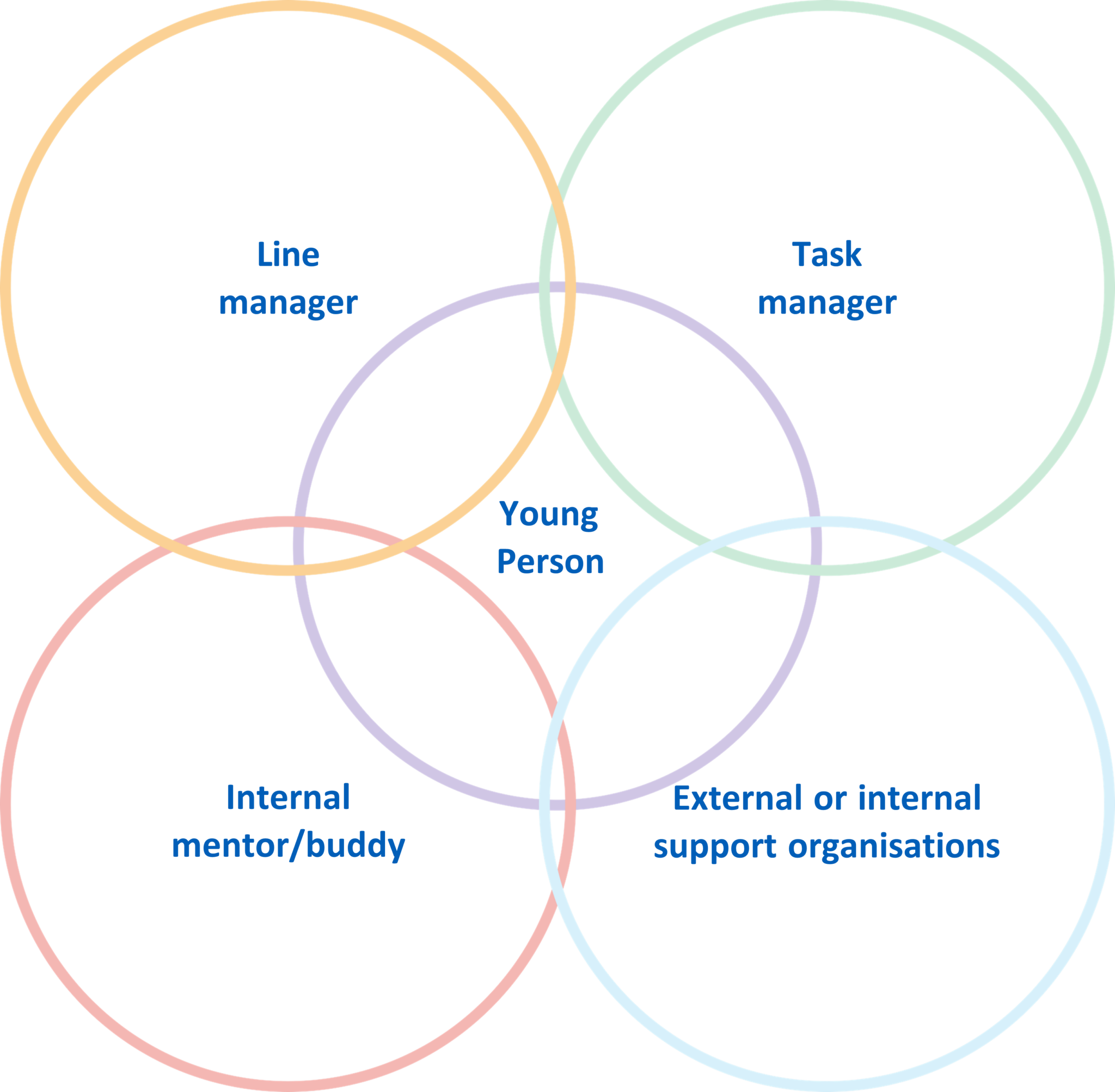
In NHS Birmingham and Solihull ICB, where James started his career, they've created a regular internal communication network with representatives who can deliver help and direction on mental health, HR matters, recruitment, and EDI initiatives.
The conventional NHS recruitment process—structured and possibly overwhelming—has been intentionally adjusted. Job advertisements now emphasize attitudinal traits rather than extensive qualifications. Application procedures have been reconsidered to consider the particular difficulties care leavers might experience—from not having work-related contacts to having limited internet access.
Perhaps most significantly, the Programme recognizes that starting a job can create specific difficulties for care leavers who may be navigating autonomy without the backup of parental assistance. Concerns like travel expenses, personal documentation, and banking arrangements—taken for granted by many—can become major obstacles.
The elegance of the Programme lies in its attention to detail—from clarifying salary details to providing transportation assistance until that critical first payday. Even ostensibly trivial elements like rest periods and professional behavior are deliberately addressed.
For James, whose NHS journey has "changed" his life, the Programme provided more than work. It gave him a perception of inclusion—that ineffable quality that develops when someone feels valued not despite their history but because their unique life experiences improves the institution.
"Working for the NHS isn't just about doctors and nurses," James observes, his eyes reflecting the quiet pride of someone who has found his place. "It's about a family of different jobs and roles, a group of people who genuinely care."
The NHS Universal Family Programme represents more than an work program. It exists as a powerful statement that institutions can change to welcome those who have experienced life differently. In doing so, they not only alter individual futures but enrich themselves through the special insights that care leavers bring to the table.
As James moves through the hospital, his presence silently testifies that with the right help, care leavers can succeed in environments once deemed unattainable. The embrace that the NHS has offered through this Programme represents not charity but acknowledgment of untapped potential and the profound truth that each individual warrants a support system that believes in them.