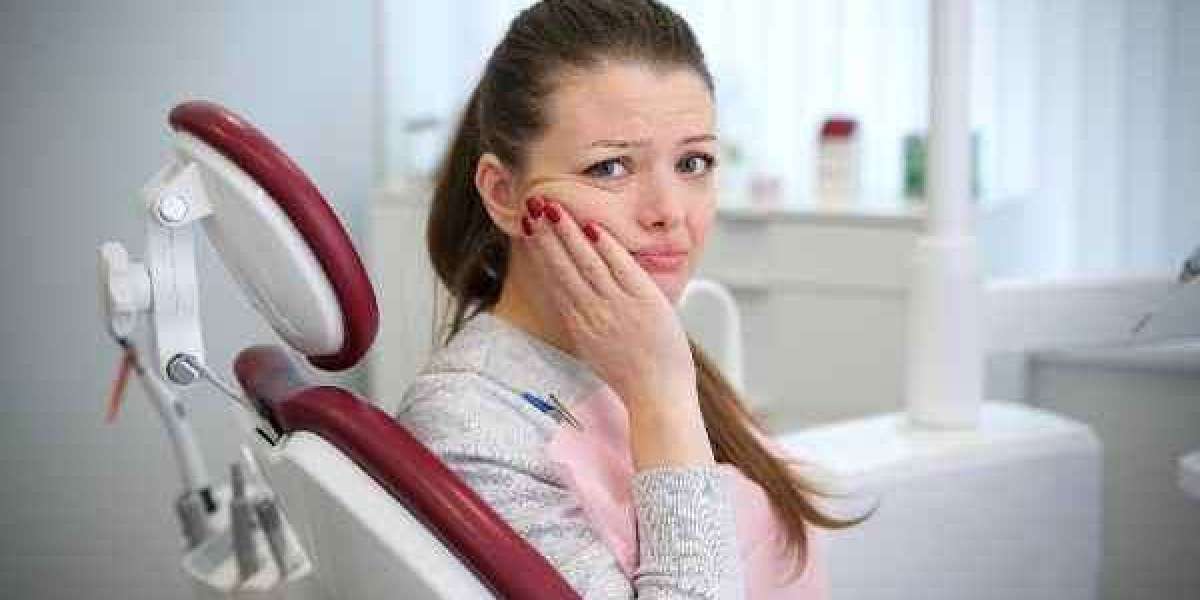
Dental emergencies can strike without warning. One moment, you might be enjoying a regular day, and the next, a sudden toothache, cracked tooth, or jaw discomfort can disrupt everything. These situations are not only painful but may also lead to severe complications if not addressed promptly. Acting quickly and knowing the right steps to take can make a significant difference in preserving both oral health and overall wellbeing. Understanding the signs of urgent dental issues, implementing immediate relief measures, and seeking professional care are key to managing these crises effectively.
Recognising Time-Sensitive Dental Issues
Dental crises vary in severity, and distinguishing between minor discomfort and a true emergency is essential. Quick recognition can prevent pain from escalating and safeguard long-term oral health.
Common urgent dental situations include:
- Severe or persistent toothache: Pain that persists for hours or intensifies may indicate deep decay or infection.
- Knocked-out teeth: Often caused by accidents or sports injuries, immediate action can increase the chances of saving the tooth.
- Chipped or broken teeth: Sharp edges can injure the tongue or cheeks, and structural damage may worsen if untreated.
- Lost Fillings or Crowns: When a filling or crown becomes dislodged, the underlying tooth is exposed, increasing sensitivity and the risk of decay or further damage.
- Swelling or abscesses: Infection can spread quickly, potentially affecting other parts of the body if neglected.
Early identification is vital. While minor sensitivity or temporary discomfort may not require urgent care, swelling, severe pain, or trauma demands swift intervention.

Immediate Actions Before Professional Help
While professional dental care is essential, there are measures you can take to stabilise the situation temporarily. These actions aim to reduce pain and prevent further damage until you reach a clinic.
Quick relief measures include:
- Rinse with warm salt water: Helps cleanse the affected area and reduce inflammation.
- Apply a cold compress: Can numb discomfort and alleviate swelling.
- Over the counter pain relief: Medications like ibuprofen or acetaminophen can temporarily ease pain.
- Avoid chewing on the affected side: Minimises irritation and prevents further damage.
- Maintain gentle oral hygiene: Brush and floss carefully to avoid aggravating the problem.
These strategies provide temporary relief but do not replace professional care. Prompt treatment from a qualified practitioner ensures long-term health and comfort.
Seeking Professional Help Promptly
Knowing when to consult a professional is crucial. Home remedies manage symptoms but cannot address the underlying issue.
You should contact a dentist if you experience:
- Persistent pain lasting more than 24 hours
- Swelling in gums, face, or jaw
- Fever or signs of infection
- Knocked-out, broken, or loose teeth
Scheduling an appointment with a Dentist in Twickenham or an Emergency dentist in Twickenham ensures rapid assessment and effective treatment. Early professional intervention not only relieves pain but also prevents complications, protecting your long-term oral health.
Professional Treatment Options
Once under professional care, several treatment approaches may be recommended depending on the severity and type of dental crisis.
Common interventions include:
- Cavity fillings or root canal therapy: Treat decayed or infected teeth to relieve pain and prevent further damage.
- Tooth extraction: Necessary when a tooth is irreparably damaged or non-restorable.
- Prescription antibiotics: Manage infections that have spread or are causing systemic symptoms.
- Temporary restorations or protective splints: Stabilise the tooth while planning longer-term solutions.
Professional treatment addresses both the immediate discomfort and the root cause, ensuring lasting oral health and preventing recurrent issues.
Video link : Healthy Smile Starts with a Professional Clean!
Preventing Future Dental Emergencies
Prevention is always better than cure. Incorporating regular dental visits and healthy oral habits into your routine is key to reducing the likelihood of time-sensitive dental problems.
Prevention strategies include:
- Routine check-ups: Visit a Dentist in Twickenham regularly for thorough examinations and professional cleaning.
- Oral hygiene: Brush twice daily, floss, and use mouthwash to maintain strong teeth and healthy gums.
- Balanced diet: Limit sugary and acidic foods to prevent enamel erosion and cavities.
- Protective gear: Wear mouthguards during sports or high-risk activities.
A proactive approach helps maintain a healthy, comfortable smile and reduces the chances of unexpected emergencies.
Managing Discomfort Between Appointments
Even after seeing a dentist, mild discomfort may persist until healing is complete. Effective home management supports recovery and ensures professional treatment remains effective.
Tips for managing discomfort include:
- Follow professional instructions: Take prescribed medications and adhere to aftercare advice.
- Maintain gentle oral hygiene: Clean the affected area carefully to avoid irritation.
- Avoid irritants: Refrain from chewing hard foods, sticky sweets, or extremely hot or cold items.
- Monitor symptoms: Track changes in swelling, colour, or intensity of pain and report them promptly.
These measures help minimise discomfort while promoting faster, complication-free healing.
When Emergency Care Is Needed
Some situations demand immediate professional attention. Rapid intervention can save teeth, prevent infections, and reduce long-term complications.
Emergency signs include:
- Severe, unrelenting pain
- Trauma such as a knocked-out or fractured tooth
- Swelling spreading to the face, neck, or jaw
- High fever alongside oral pain
In these cases, contacting an Emergency dentist in Twickenham without delay is essential. Keeping emergency contact information handy ensures you can access care quickly when every moment counts.
The Role of Regular Dental Check-Ups
Routine dental visits are a cornerstone of preventing crises. Dentists can detect potential problems before they escalate, saving patients from unexpected pain and costly treatments.
Key benefits of check-ups:
- Early detection: Identifies cavities, gum disease, and alignment issues before they worsen.
- Professional cleaning: Removes plaque and tartar that can cause decay or infection.
- Tailored advice: Receive guidance on oral hygiene practices specific to your needs.
- Preventive interventions: Fluoride treatments, sealants, and minor corrections prevent major crises.
Regular visits build a long-term partnership with your dental professional, reducing the likelihood of urgent issues arising.

Conclusion
Time-sensitive dental care requires swift action, informed decision-making, and professional intervention. While temporary home measures may provide relief, lasting solutions depend on expert evaluation and treatment. By maintaining good oral hygiene, attending regular dental check-ups, and addressing minor issues before they escalate, patients can significantly reduce the risk of emergencies and protect their long-term dental health.