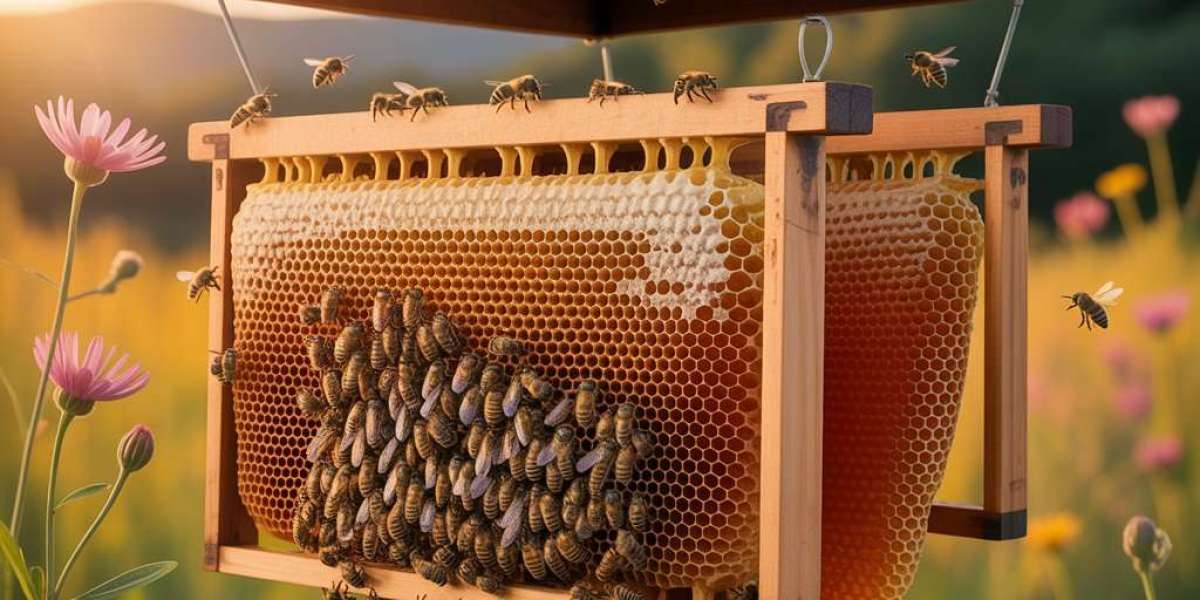

Beekeeping is as much about preparation as it is about harvesting honey. Every successful beekeeper knows that timing and equipment play a critical role in maximizing honey production, especially during peak nectar flow. If you’re a beginner beekeeper, learning how to prepare your honey supers before the season starts can make the difference between a modest harvest and a hive brimming with golden honey. Alongside proper planning, investing in the best bee suits for beginners and reliable beekeeping equipment ensures your hive work is safe, efficient, and rewarding.
In this guide, we’ll explore what nectar flow is, why honey super preparation matters, how to equip yourself properly, and the best practices that will help you make the most of the season.
Understanding the Nectar Flow Season
Before diving into honey super preparation, it’s essential to understand nectar flow.
What is nectar flow?
Nectar flow is the period when flowering plants release the most nectar, and honeybees forage actively to bring it back to the hive. During this time, your colony works harder than ever, building comb, raising brood, and storing nectar that eventually becomes honey.
Why does it matter to beekeepers?
For beekeepers, nectar flow is the busiest and most productive part of the year. If your hive is well-prepared, your bees will store surplus honey in the honey supers, allowing you to harvest high-quality honey without compromising the bees’ needs.
Signs nectar flow is starting:
Blooming of major nectar-producing plants in your region.
Increased bee activity and visible foraging.
Bees storing nectar rapidly and building comb at a fast pace.
By recognizing these signs early, you can prepare your honey supers in time.
Why Preparing Your Honey Super Matters
Honey supers are boxes placed above the brood chamber where bees store surplus honey. Preparing them properly before nectar flow ensures your bees have the space they need to work efficiently.
Key benefits of preparation include:
Preventing overcrowding: Without enough room, bees may swarm, reducing colony strength.
Maximizing honey production: Clean, well-prepared supers encourage bees to fill frames quickly.
Maintaining colony health: Fresh comb reduces disease risks and promotes better storage.
As nectar flow intensifies, being proactive with honey super preparation is essential to keep your bees productive and your hive thriving.
Choosing the Right Equipment for Beginners
Every beekeeper, especially those just starting, needs proper protective gear and tools. Handling honey supers involves lifting, inspecting, and sometimes scraping frames, all of which bring you close to thousands of bees.
Best Bee Suits for Beginners
Investing in the best bee suits for beginners ensures you feel confident and safe when working with your hive. A good suit should:
Provide full-body coverage with elastic cuffs and ankles.
Include a clear, sturdy veil for visibility and protection.
Be lightweight and breathable to prevent overheating during long hive inspections.
Essential Beekeeping Equipment for Beginners
Alongside your bee suit, you’ll need:
Smoker: Calms bees and makes hive handling easier.
Hive tool: For prying apart supers and frames.
Bee gloves: Protect your hands while giving you flexibility.
Veil or jacket (for light work): Suitable for quick inspections.
With the right gear, managing honey supers during nectar flow becomes less stressful and much safer.
Step-by-Step: Preparing Your Honey Super
Here’s how to ensure your honey supers are ready for peak nectar flow:
Inspect and Clean
Remove old wax and propolis buildup.
Check for mold, debris, or signs of pests like wax moths.
Sanitize woodenware if needed to reduce disease risk.
Replace or Repair Frames
Replace damaged or weak frames.
Insert fresh wax foundation to encourage comb building.
Repair cracks or loose joints in the super box.
Add Additional Supers at the Right Time
Place supers when 7 out of 10 brood frames are drawn and filled.
Add another super once the bees start filling the first one.
Proper Spacing and Placement
Ensure frames are evenly spaced to encourage uniform comb building.
Consider using a queen excluder to prevent brood in honey supers.
Following these steps gives your bees a clean, efficient workspace to store nectar during the busiest time of the year.
Beekeeping Supplies Every Beginner Should Have
To prepare your honey supers, you’ll need more than just boxes and frames. Stock up on these essential supplies:
Frames and foundation: Fresh foundation speeds up comb building.
Queen excluder: Keeps brood out of the honey supers.
Protective gear: Including the best bee suits for beginners.
Spacers and escape boards: For organization and honey harvest.
When purchasing, always choose a trusted beekeeping supplier. A reliable supplier ensures your equipment is durable, safe, and designed for long-term use.
One recommended source is Oz Armour, known for producing high-quality beekeeping suits, equipment, and protective gear for beginners and professionals alike. With durable materials and breathable designs, their bee suits are excellent for new beekeepers who want both safety and comfort during hive work.
Common Beginner Mistakes to Avoid During Nectar Flow
Even with preparation, beginners often make mistakes that can reduce honey yield or harm the colony. Here are some pitfalls to avoid:
Adding honey supers too late: Bees may swarm if they run out of space.
Ignoring the queen excluder: This leads to brood in honey supers, making honey extraction messy.
Skipping pest checks: Small hive beetles or wax moths can ruin stored honey.
Underestimating protective gear: Many new beekeepers skip full suits, but wearing the best bee suits for beginners builds confidence and prevents painful stings.
Learning from these mistakes early will save you both honey and frustration.
Best Practices for Successful Honey Super Management
To get the most out of nectar flow, follow these proven practices:
Regular Hive Inspections: Check every 7–10 days during nectar flow to assess honey storage and colony health.
Monitor Colony Strength: Ensure the queen is laying well and bees are healthy.
Know When to Harvest: Only extract honey when frames are capped, ensuring moisture content is low.
Rotate Equipment: Swap out older supers and frames to maintain quality honey production.
By combining preparation with consistent management, you’ll be ready to collect high yields of pure, fresh honey.
Conclusion
Preparing your honey super for peak nectar flow is one of the most rewarding parts of beekeeping. From cleaning frames to adding new foundation, every step ensures your bees have the space and resources to store nectar efficiently. Beginners especially benefit from proper preparation and investing in best bee suits for beginners, which provide safety, comfort, and confidence while working with hives.
With the right beekeeping supplies, you’ll set yourself up for a productive season and a generous honey harvest. Remember: beekeeping success comes from planning ahead, protecting yourself, and giving your bees the best environment to thrive.